Earlier this month we finished a eight week field campaign for the Root2Fork project. The Root2Fork project brings together various living labs within the context of studying multi-strata agro-forestry as a solution to preventing and reversing poor soil quality. The project’s aim is to explore the socio-economic feasibility of these more diversified agricultural systems within the context of soil remediation, food security and diversification of agricultural systems.
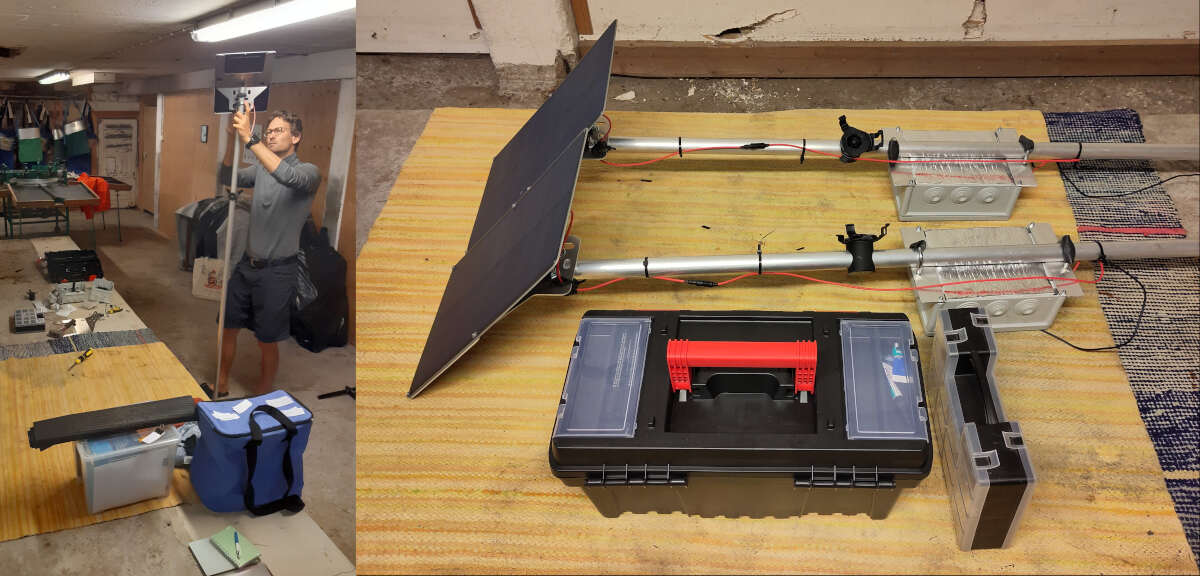
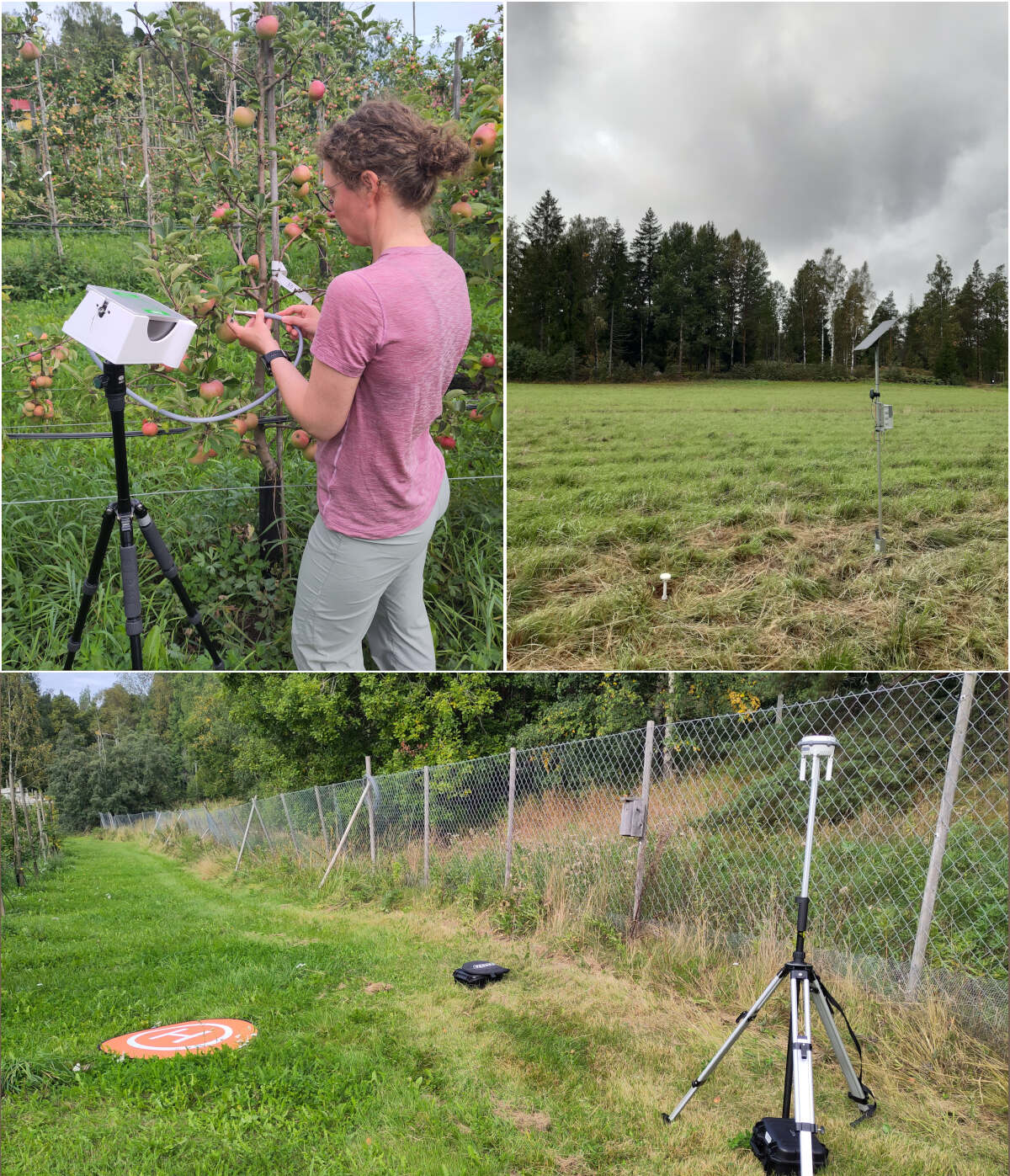
In addition to these socio-economic metrics, the project collects properties on root and plant health across various multi-strata agro-forestry systems. Here, BlueGreen Labs provides all field measurements. This includes measurements of both soil and plant health, environmental sensor installation (temperature and soil moisture), remote sensing measurements, and the development and installation of bio-acoustic biodiversity monitoring solutions.
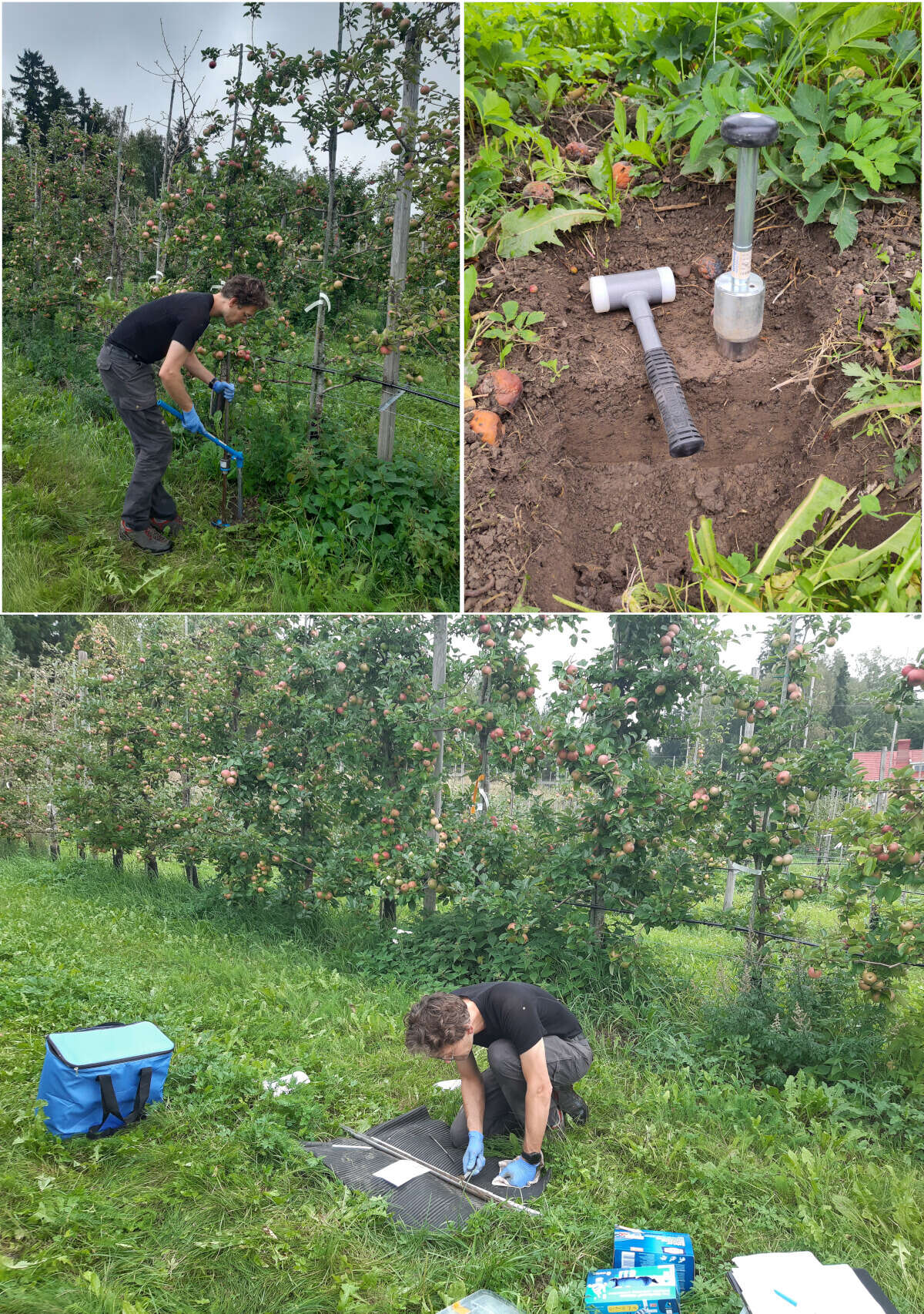
The soil measurements covered soil samples at depth using soil augers and superficial bulk density cores. Plant health was quantified using (fluorescence based) photosynthesis measurements. The structural complexity and plant health of the orchards are quantified using near-surface drone based remote sensing imagery (in addition to satellite based metrics).
During our fieldwork we covered more than 10000 km between field sites. We traveled along a latitudinal gradient from Helsinki, over Bavaria to southern Portugal. This latitudinal gradient covers various soil disturbance regimes. In total, we collected >250 soil samples, installed six bio-acoustic monitoring stations and covered ~2 ha of orchards and agro-forestry systems by multi-spectral drone mapping. We are grateful for all the support at the field sites of Råbäcks gård, Stiftung Kunst und Natur Nantesbuch and terra sintropica.